
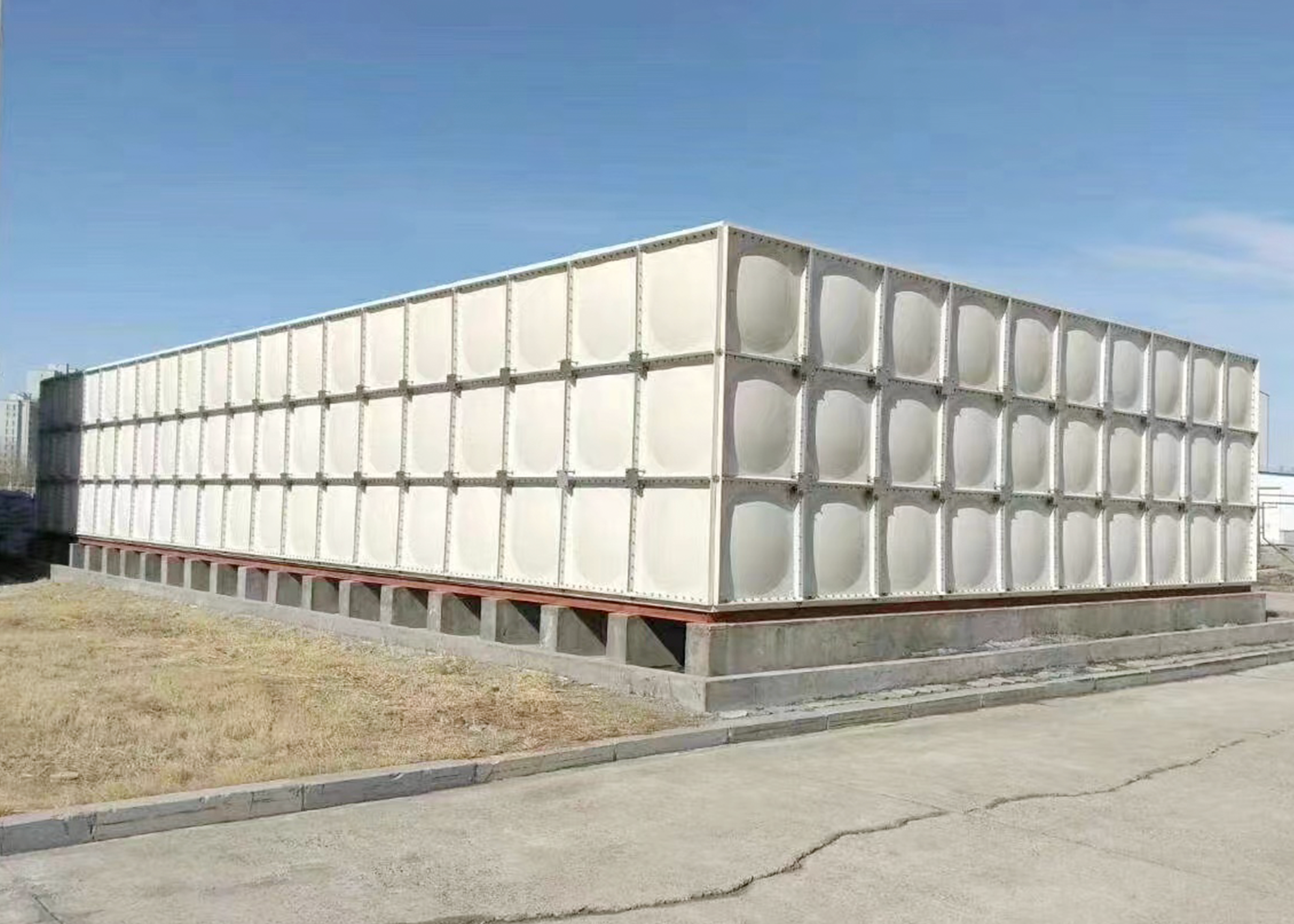
Select a view below. Open the main image for full size.
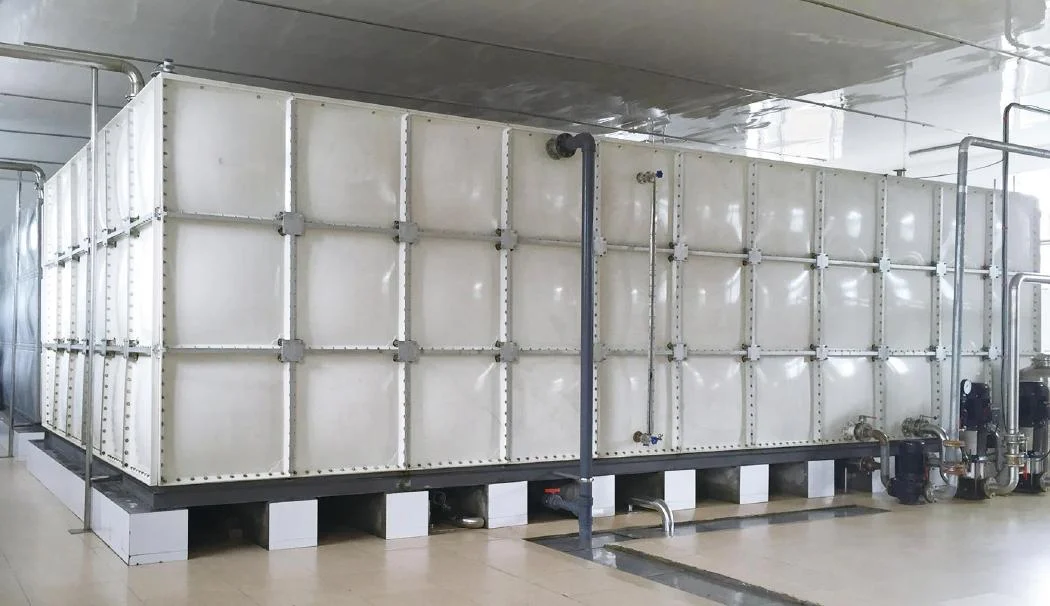
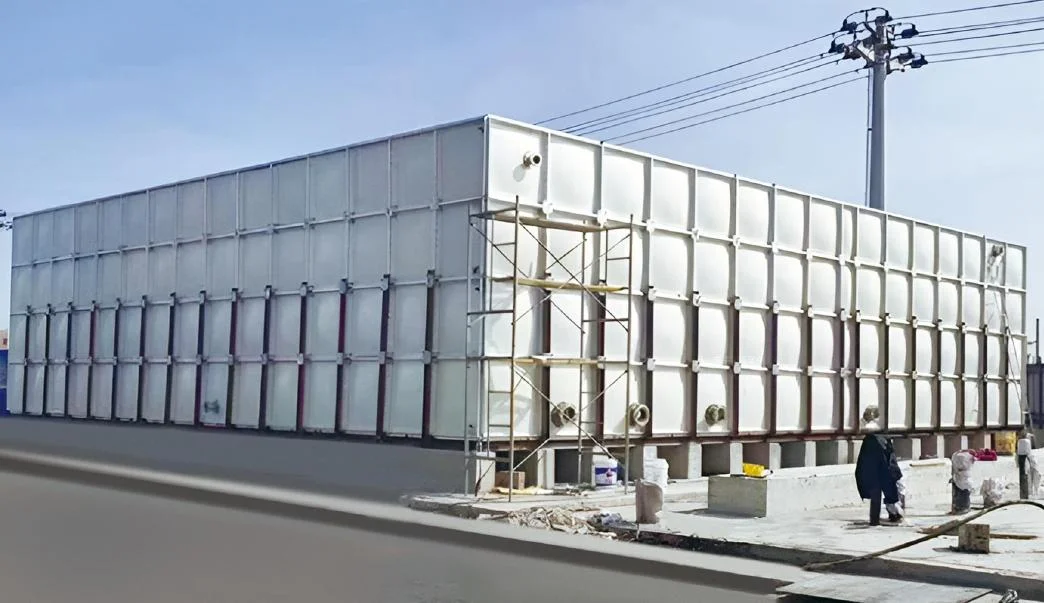
GRP / FRP Water Tanks
Glass-reinforced composite panels form a sectional tank. Resin selection, joint seals and the support layout determine whether the proposed assembly suits the project.
Request a specification review →
Composite tanks for building services
Consider GRP when the design specifies a composite enclosure. For indoor installations, check doorway width, lifting clearance and space to tighten and inspect panel joints.
Specification brief
| Design input | What to establish |
|---|---|
| Construction | Sectional composite panels |
| Operating duty | Projects specifying a composite enclosure |
| Selection check | Resin, seals and fluid temperature |
| Site drawing | Frame supports and panel delivery route |
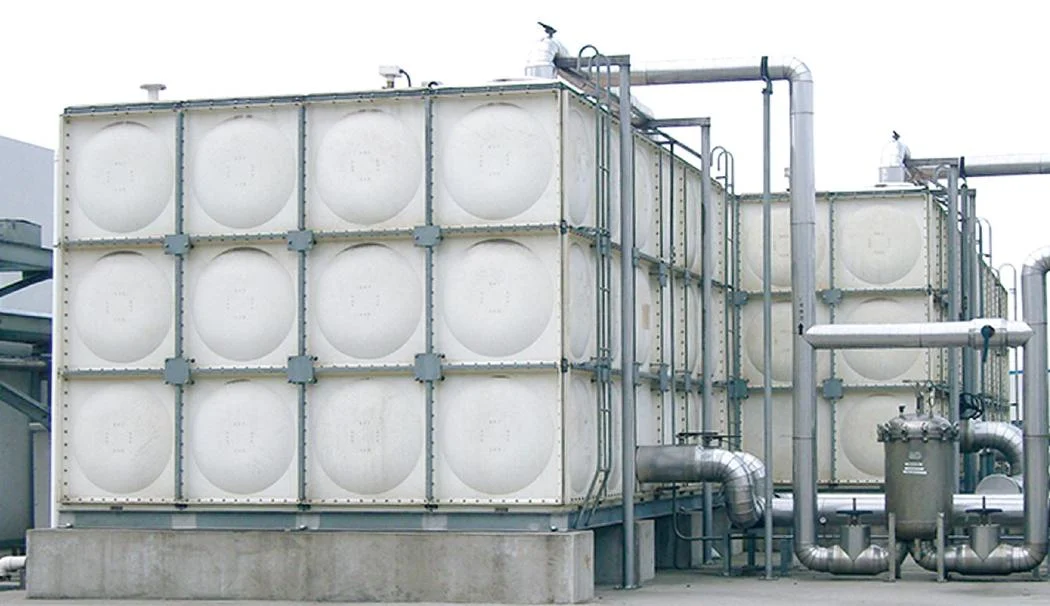
Resin, seals and water duty
Identify the fluid, temperature range, treatment chemicals and any water-contact approval required. Ask for evidence covering the proposed panels and seals together.
Panel joints and foundation
Provide the panel layout, base levels and connection schedule. Check how the supporting frame transfers the filled weight to the building, and how connected pipework will be supported.
Inspection and maintenance
Keep joints and supports accessible. After installation, inspect for handling damage and record any seepage at joints before specifying repairs.
Compare your options
GRP replaces the metal shell with composite panels. Compare the specified resin and seal compatibility with the stainless grade or coating offered for the same duty.
Compare Stainless Steel Water Tanks · Water tank selection guide
Does a composite shell confirm chemical resistance for my water?
Compatibility depends on the resin, seals, concentration and temperature. Submit the actual fluid conditions for review before selecting the assembly.
Request a project review
Send the project location, required usable capacity and a dimensioned site plan. Include the water duty and operating temperature. For this configuration, highlight frame supports and panel delivery route.