“Stainless steel water tank” can describe more than one construction. A modular stainless steel tank and an insulated stainless steel tank may both use sectional components, but the insulation layer changes what the project team must specify and inspect. The right comparison begins with the intended water use and the conditions around the installed tank, not a claim that one type is always better.
What the two constructions show
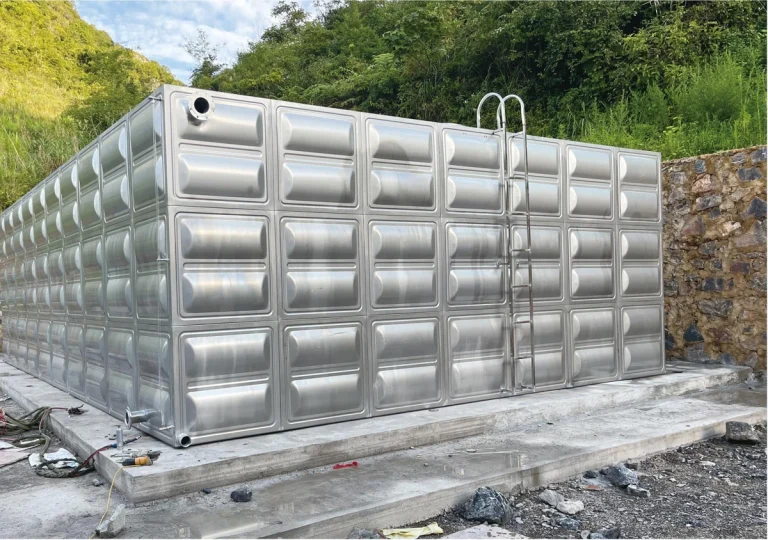
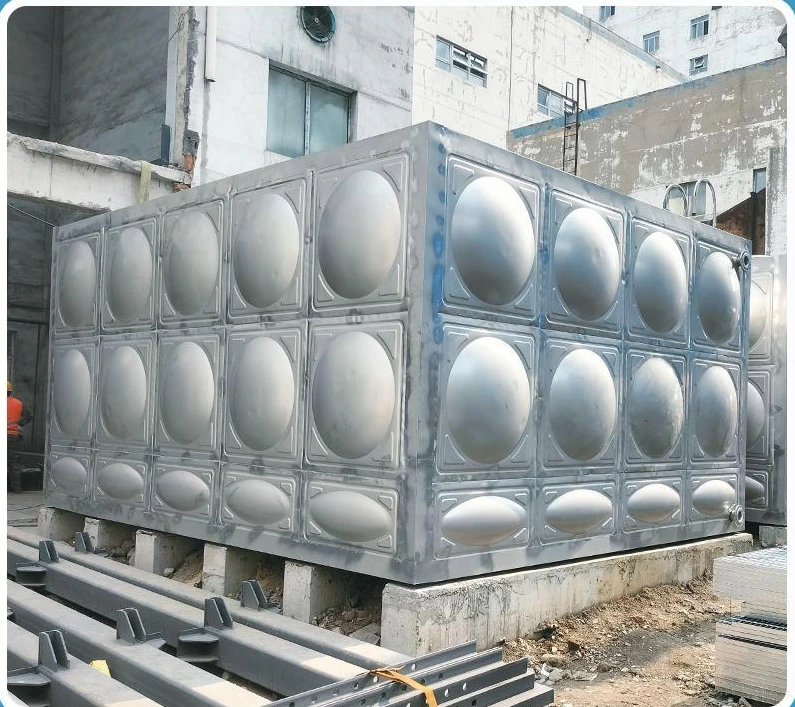
HONGLIANG’s modular stainless steel tank material depicts pressed panels forming a sectional enclosure. The catalogue view includes internal ties, supporting members, access and connection components. The final panel joints, fittings and support schedule belong in project drawings. A generic product photograph does not establish those details for every capacity or site.
The insulated stainless steel tank is depicted with inner and outer stainless steel construction and an insulation layer between them. That extra construction must be described in the current configuration documents. Layer thickness, joints, connections and any thermal-performance expectation should be confirmed for the selected design rather than assumed from the word “insulated.”
When insulation enters the discussion
Insulation is a project requirement when the team needs to consider heat transfer between stored water and its surroundings. The need depends on the water use, ambient conditions, location and operating approach. An insulation layer does not by itself prove a target temperature, hold time or energy saving; those outcomes would require a defined configuration and supporting data.
For a project where temperature management is not specified, avoid adding an insulation claim simply because it appears more advanced. For a project where it is specified, ask the supplier to identify the construction and documents that address that requirement. This keeps the comparison tied to a real design decision.
Compare the site interfaces
Both options still need a suitable location, foundation, delivery path, assembly access and coordinated pipe connections. The insulated construction also needs attention to its outer layer and the way access openings and connections pass through it. The available footprint and clear height should be checked against the actual proposed arrangement, not just a catalogue outline.
Tell the project team whether the tank is indoors or outdoors and what space is needed for inspection and maintenance. Site conditions and support arrangements can influence the chosen panel layout. If conditions are uncertain, list them as assumptions for review instead of treating them as established specifications.
Ask for comparable design information
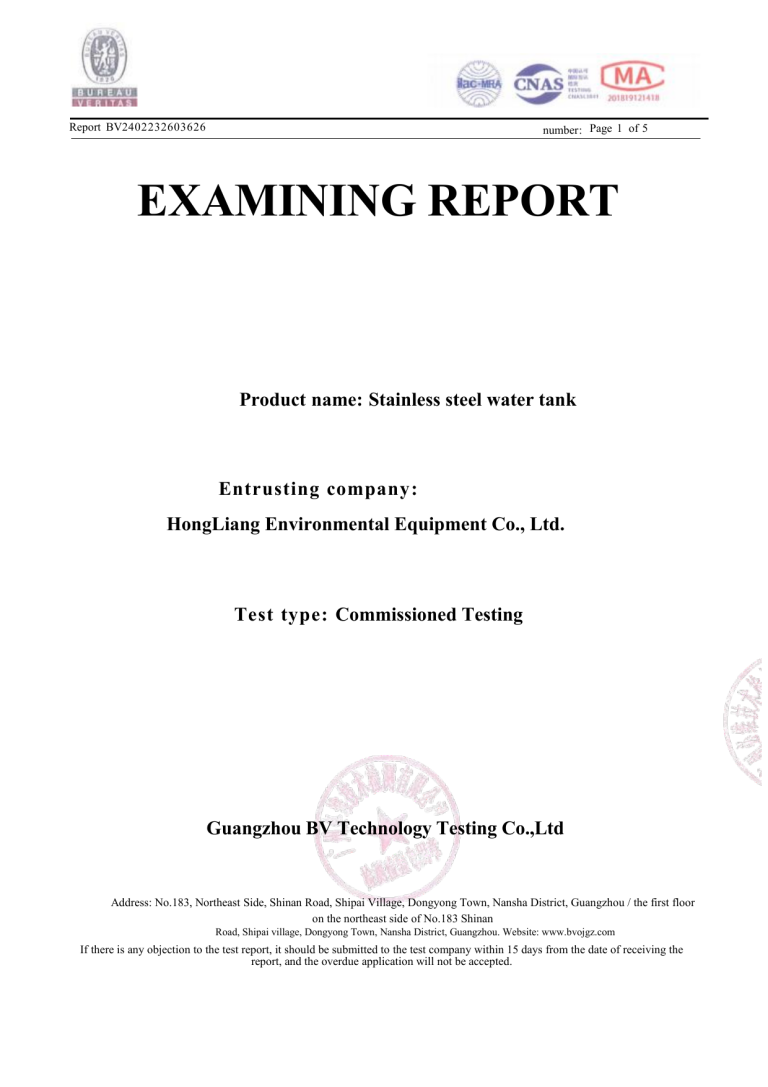
A fair comparison uses the same project brief for both alternatives: intended water use, required capacity, installation setting, available dimensions, connections and requested documentation. Ask each proposal to describe panel materials, jointing, supports and any insulation construction that is included. Clarify which checks or inspection records are specific to the selected tank.
The structural analysis examples on this site are numerical examples for defined loads and supports. They do not establish a general rating for either construction. A project-specific design review remains necessary when evaluating a proposed layout.
How to make the selection
Choose a configuration only after the operating need and site constraints are clear enough to compare alternatives. The modular option may address a straightforward storage brief, while an insulated option brings additional construction to specify where the project calls for it. Neither label replaces drawings, material details or agreement on the expected documents.
Review the product overview for the distinct tank families and send your project brief with the information you already have. HONGLIANG can discuss the proposed configuration and identify details that still require confirmation before an order.
Discuss your water tank requirements
Share intended use, capacity, installation space and requested documents for a project-specific discussion.
Send a project brief